
.svg)

.jpg)

Design for the moments you come and go, not just when you’re home.
When people think about home design, they often start with the living room, the kitchen, or the bedroom. But in truth, the story of your home begins at the door. The first metre after you step in—that narrow stretch of flooring between the outside world and your sanctuary—sets the tone for how you live. At Nuo Form, we like to call it the transition zone. Because that first metre does more than welcome guests; it reflects your rhythms, routines, and what you value most.
The First Metre Matters Most
In small homes, every square foot has to work harder. The first metre (your entryway) carries a unique responsibility: to help you arrive and leave with ease.
Think of it as your personal airlock between chaos and calm.
- If it’s cluttered, your mind feels scattered before you’ve even taken your shoes off.
- If it’s thoughtfully designed, it tells you: you’re home now.
From a designer’s perspective, this metre defines the flow of your entire home. Sightlines, storage, and sensory cues all start here.
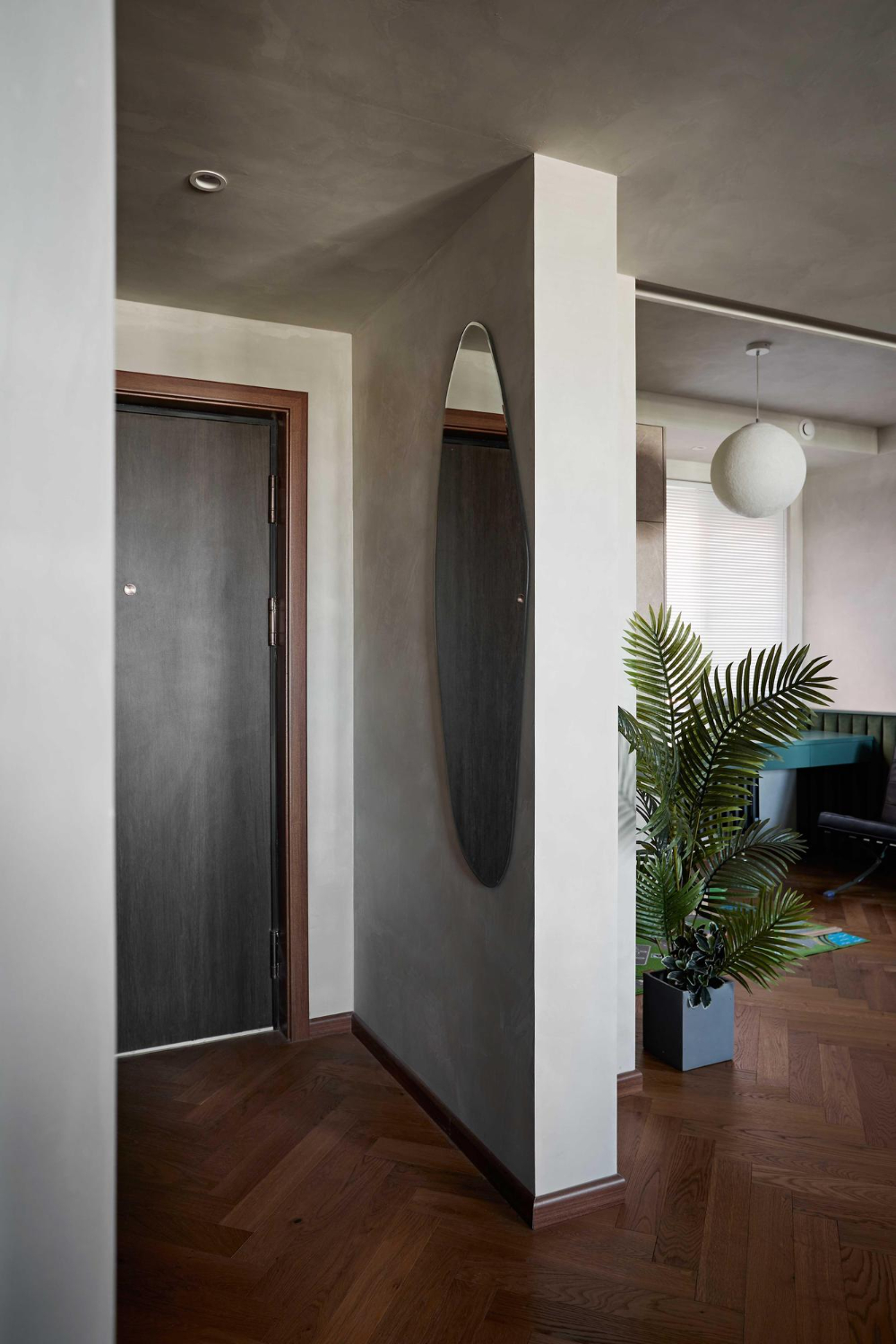
Design the Sightline
When you open your door, what’s the first thing you see?
Your sightline—what your eyes land on when you step in—is a subtle yet powerful tool. A well-composed sightline can make even a compact apartment feel inviting and expansive.
✳️ Designer’s tip: Anchor the view with something meaningful—a framed artwork, a sculptural plant, or a warm-toned console. Avoid placing the sink or cluttered kitchen directly in view from the main door; it interrupts the sense of calm.
By managing what you see first, you’re not just shaping aesthetics; you’re setting an emotional tone for the rest of the space.
Hooks, Habits, and Hidden Order
Your entryway is where habits start and end. It’s where you drop your keys, hang your bag, slip off your shoes, and mentally switch gears.
Designing this zone around your natural habits makes a world of difference.
- Hooks at the right height save you from hunting for bags.
- A slim console tray catches keys, cards, and letters before they scatter.
- Closed storage keeps shoes out of sight and your mind clear.
In interior design, we often say good homes anticipate behaviour. A thoughtful entryway doesn’t just look tidy—it helps you live tidier.
Layer the Light and Texture
Light plays an important role in how you transition between outside and inside. A soft wall sconce or diffused overhead glow tells your senses you’re entering a different environment. Pair it with textural elements like woven baskets or natural wood finishes to ground the space.
It’s a small moment, but one that matters, especially when you come home after a long day.
The Emotional Echo
Over time, your entryway becomes a quiet mirror of your lifestyle.
Do you leave your helmet and tote bag on the bench each night? Are there shoes scattered by the door? Or is it a calm, welcoming threshold that helps you reset?
These aren’t just signs of tidiness—they’re reflections of rhythm. The goal isn’t perfection, but intentionality.
In the End: Design for the In-Between Moments
Most people design for how they live inside their homes. But design is just as much about how you enter and leave them.
The moments you come and go, when your mind shifts between the world and your personal space,are the ones that quietly shape your daily experience.
Design for those moments, and your home will always meet you halfway.